Design and Technology
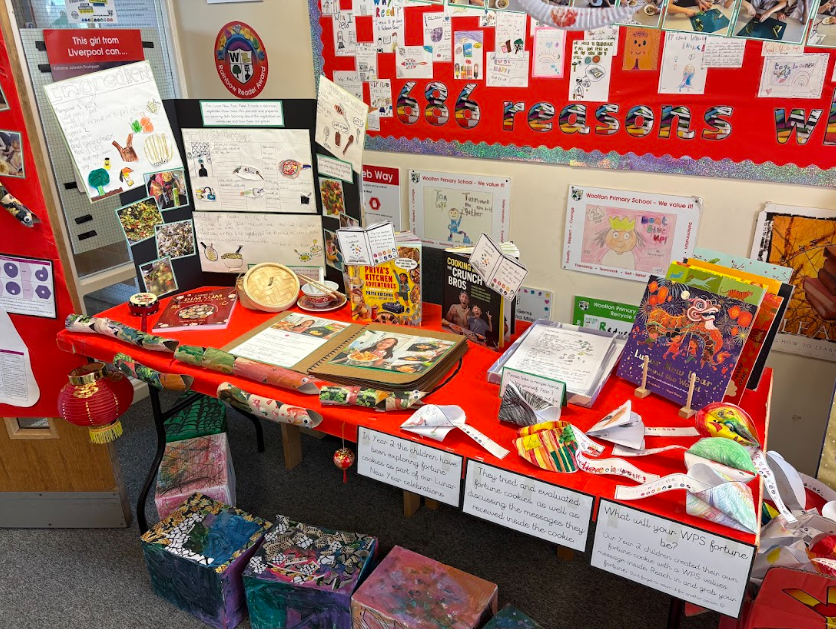
At WPS we are explorers and inventors! We encourage our children to explore the possibilities when planning, designing, creating and inventing through DT, which will ignite their curiosity about the world around them and how it works.
We want them to incorporate our WPS school values of Determination, Teamwork, Self-Belief and Courage through challenging projects that inspire their thinking.
Intent
At WPS our Design and Technology curriculum encourages and challenges children’s inquisitiveness about the world around them.
We want to educate our children with the core foundations of the Design and Technology curriculum as early as EYFS to enable our children to build their key skills and understanding of designing, creative use of tools and resilience when having a go. All pupils, including those with SEND and vulnerable children will be encouraged to take risks, developing their skills to become resourceful and capable citizens.
We encourage our WPS children to observe and reflect our ever growing and diverse city, learning about other cultures, religions and ways of life through various projects that link across our curriculum.
At WPS we aim to provide rich experiences for our children to grow their love of learning and interest in all areas. In Design and Technology, we provide hands on and fun experiences, which children thoroughly enjoy taking part in.
Implementation
At WPS we have a whole school approach for Key Stages 1 and 2. As a school we teach our Design and Technology projects and skills during curriculum weeks. During these weeks we take part in bespoke projects, which have been specifically designed and planned to reflect the key skills and learning for each year group following the design, make and evaluate cycle.
Our Design and Technology curriculum reflects meaningful contexts to ensure learning is purposeful and engaging, linking with local and wider community to provide real-life design contexts and enrich pupils learning. Through the cycle of designing, making and evaluating our pupils are given choice and independence when selecting tools and materials, regularly reflecting on their work against a design criterion to improve outcomes and develop their knowledge and understanding.
Food and Nutrition is taught and celebrated in each year group. Our pupils evaluate existing products, explore a variety of foods and develop healthy, practical skills that can be transferred to use at home.
The hard work of our children is evident through photographs on our shared drive for Design and Technology and their learning journey books, which they continue to use throughout school to record their fantastic ideas and progress!
Impact
At WPS, assessing our pupil’s learning is an ongoing monitoring process using formative and summative forms of assessment to develop an understanding of children’s knowledge and progression of their skills. These assessments inform differentiation, support and challenge for our pupils. We use our learning journey books and pupil voice to grasp their knowledge and understanding of each project, as well as our assessment criteria framework to evaluate their progression by the end of each year group. This progression framework corelates with the Design and Technology National Curriculum. Through our assessment processes we monitor and reflect on our Design and Technology projects to ensure our children receive high quality experiences.
Design, Technology and our Early Years
The Early Years framework plays a pivotal role in supporting our pupils early Design and Technology skills by encouraging curiosity, creativity and problem-solving from a young age. Through play-based learning such as building with blocks, exploring materials, constructing models and using simple tools, our pupils learn how to plan, test their ideas and evaluate what works. These hands-on activities help develop fine motor skills, critical thinking and resilience as pupils’ experiment, make mistakes and improve their designs. We provide open-ended opportunities for exploration and real-life challenges, which nurture innovation and independence, laying the foundations for later learning in STEM subjects and helping our pupils understand how everyday objects are made and used in the environment around them.